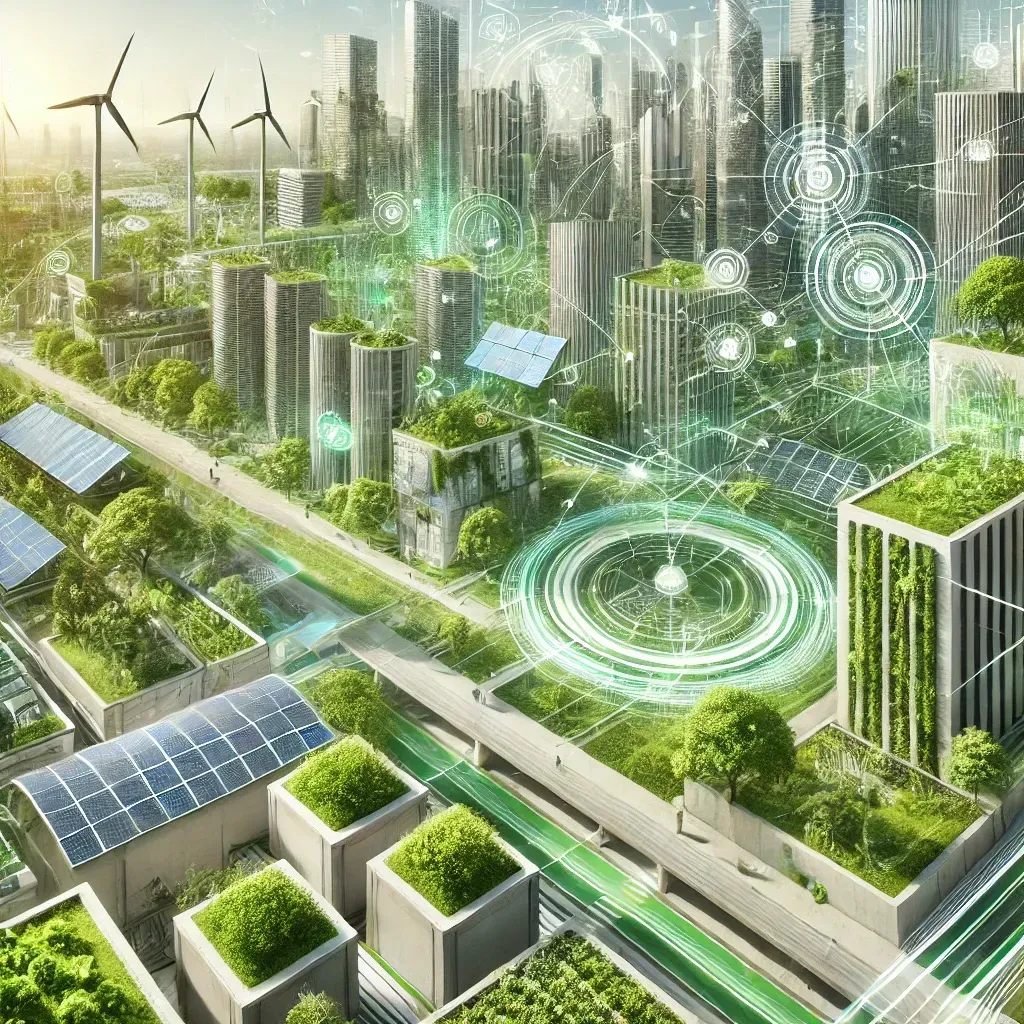
Innovations in Green Infrastructure
Abstract
Green infrastructure is revolutionizing the way we approach urban development and environmental conservation. This comprehensive article delves into the latest innovations in green infrastructure, highlighting the myriad business opportunities available for entrepreneurs and established companies looking to pivot towards sustainability. We will explore the advantages these innovations bring, the challenges they present, and the critical role media plays in shaping public perception and policy. By examining both the potential and the pitfalls, this article aims to provide a balanced and in-depth understanding of the green infrastructure landscape.
Introduction
As the global population continues to urbanize—projected to reach 68% by 2050 according to the United Nations—cities face unprecedented challenges related to climate change, resource scarcity, and environmental degradation. Green infrastructure offers a sustainable solution by integrating natural processes into urban environments to enhance ecological, economic, and social well-being.
Green infrastructure encompasses a wide range of practices, from green roofs and urban forests to permeable pavements and advanced renewable energy systems. These innovations not only mitigate environmental issues but also create new markets and opportunities for economic growth. Entrepreneurs and businesses are uniquely positioned to capitalize on this shift, driving innovation while contributing to a more sustainable future.
Innovations in Green Infrastructure
1. Advanced Renewable Energy Systems
Microgrids and Smart Grids
Description: Microgrids are localized energy grids that can operate independently or in conjunction with the main grid. Smart grids utilize digital communication technology to detect and react to local changes in usage.
Innovations:
- Blockchain Energy Trading: Companies like Power Ledger are using blockchain to enable peer-to-peer energy trading within microgrids, increasing efficiency and reducing costs.
- Artificial Intelligence (AI) in Energy Management: AI algorithms optimize energy distribution and consumption, predicting demand patterns and adjusting supply accordingly.
Impact: These systems enhance energy security, reduce transmission losses, and facilitate the integration of renewable energy sources.
Energy Storage Solutions
Advancements:
- Next-Generation Batteries: Lithium-sulfur and solid-state batteries offer higher energy densities and longer lifespans compared to traditional lithium-ion batteries.
- Grid-Scale Storage: Technologies like flow batteries and compressed air energy storage (CAES) provide large-scale solutions for storing excess renewable energy.
Business Implications: Improved storage capabilities make renewable energy more reliable, opening up markets for energy storage solutions and services.
2. Sustainable Urban Drainage Systems (SUDS)
Permeable Pavements
Functionality: Permeable pavements allow rainwater to infiltrate through surfaces, reducing surface runoff and recharging groundwater.
Materials: Porous asphalt, pervious concrete, and interlocking pavers made from recycled materials.
Case Studies:
- Chicago's Green Alley Program: Retrofitting alleys with permeable pavements to reduce flooding and heat islands. [ Learn More]
Green Roofs and Walls
Benefits:
- Thermal Regulation: Vegetation provides insulation, reducing heating and cooling costs.
- Biodiversity: Creates habitats for urban wildlife, including pollinators.
Innovations:
- Modular Green Roof Systems: Pre-grown modules simplify installation and maintenance.
- Smart Irrigation: Sensors monitor soil moisture, optimizing water usage.
3. Eco-Friendly Building Materials
Biodegradable Materials
- Mycelium-Based Composites: Derived from fungal networks, these materials are lightweight, strong, and compostable.
- Bamboo: Fast-growing and renewable, bamboo is used for flooring, structural components, and finishes.
- Hempcrete: A mixture of hemp fibers and lime, providing insulation and carbon sequestration.
Recycled Content Products
- Glassphalt: Asphalt mixed with recycled glass increases road durability.
- Plastic Lumber: Made from recycled plastics, used for decking and outdoor furniture.
- Environmental Impact: Reduces landfill waste and lowers the carbon footprint of construction projects.
4. Smart City Technologies
Internet of Things (IoT) and Sensors
Applications:
- Air Quality Monitoring: Networks of sensors provide real-time data to address pollution hotspots.
- Water Management: Smart meters and leak detection systems optimize water distribution.
Benefits: Enhances resource efficiency, reduces operational costs, and improves quality of life.
Autonomous Public Transportation
- Electric Buses and Trams: Reduce greenhouse gas emissions and noise pollution.
- Self-Driving Vehicles: Improve safety and reduce congestion through efficient traffic management.
Pilot Projects:
- Singapore's Autonomous Bus Trials: Testing routes in urban areas to assess feasibility. [ Learn More]
5. Urban Agriculture and Vertical Farming
Hydroponics and Aeroponics
- Hydroponics: Growing plants in nutrient-rich water without soil.
- Aeroponics: Roots are suspended in the air and misted with nutrients.
Advantages:
- Space Efficiency: Allows for high-density planting in urban settings.
- Water Conservation: Uses up to 90% less water than traditional farming.
Rooftop Gardens
Impact:
- Local Food Production: Reduces the carbon footprint associated with food transportation.
- Community Engagement: Educational opportunities and community-building.
Innovative Models:
- Community-Supported Agriculture (CSA): Residents subscribe to receive regular produce, supporting local farmers.
Business Opportunities
For Entrepreneurs
Renewable Energy Startups
Opportunities:
- Solar Technology Innovations: Developing more efficient photovoltaic cells or new solar materials.
- Wind Energy Solutions: Designing compact turbines suitable for urban environments.
Market Trends: The global renewable energy market is expected to reach $1.5 trillion by 2025 ([Allied Market Research, 2021](https://www.alliedmarketresearch.com/renewable-energy-market)).
Green Consulting Services
Services Offered:
- Energy Audits: Identifying areas for efficiency improvements.
- Sustainability Reporting: Assisting companies in disclosing environmental impact.
Demand Drivers: Increasing regulatory pressures and consumer demand for corporate responsibility.
Eco-Tourism Ventures
Business Models:
- Sustainable Lodging: Eco-friendly accommodations using renewable energy and waste reduction practices.
- Guided Nature Experiences: Educational tours promoting conservation.
Economic Potential: Eco-tourism is growing at a rate of 5% annually ([The International Ecotourism Society, 2022](https://ecotourism.org/news/)).
For Existing Businesses
Sustainable Retrofitting
Strategies:
- Energy-Efficient HVAC Systems: Upgrading to systems with better performance and lower emissions.
- LED Lighting: Reduces energy consumption and maintenance costs.
ROI: While initial costs are higher, long-term savings and potential tax incentives improve profitability.
Product Diversification
Examples:
- Biodegradable Packaging: Replacing plastic with compostable materials.
- Green Cleaning Products: Offering non-toxic, environmentally friendly options.
Consumer Trends: 66% of consumers are willing to pay more for sustainable brands ([Nielsen, 2020](https://www.nielsen.com/us/en/insights/article/2020/was-2020-the-year-that-sustainability-climate-change-and-csr-became-real-for-consumers/)).
Corporate Social Responsibility (CSR)
Benefits:
- Brand Loyalty: Companies with strong CSR programs often enjoy increased customer loyalty.
- Employee Engagement: Sustainable practices can attract and retain talent.
Implementation:
- Community Projects: Investing in local green spaces or environmental education.
- Transparency: Regular reporting on sustainability goals and progress.
Pros of Green Infrastructure
Environmental Benefits
- Carbon Reduction: Green infrastructure helps sequester carbon dioxide through vegetation and reduces emissions via energy efficiency.
- Air and Water Quality Improvement:
- Air: Plants filter pollutants, improving respiratory health.
- Water: SUDS reduce contaminants entering waterways.
- Enhanced Biodiversity: Creates habitats, supporting ecosystems within urban areas.
Economic Advantages
- Cost Savings:
- Energy Efficiency: Lower utility bills due to reduced energy consumption.
- Stormwater Management: Decreased costs associated with flood damage and water treatment.
- Job Creation:
- New Sectors: Growth in renewable energy, green construction, and environmental services.
- Skilled Labor Demand: Opportunities for training and employment in specialized fields.
Social Impact
- Public Health:
- Reduced Heat Islands: Vegetation lowers urban temperatures, decreasing heat-related illnesses.
- Active Lifestyles: Green spaces encourage physical activity.
- Community Cohesion: Parks and communal gardens foster social interaction.
- Aesthetic Value: Improves the visual appeal of urban areas, contributing to mental well-being.
Cons and Potential Pitfalls
High Initial Costs
Financial Barriers:
- Capital Expenditure: Upfront investment for technologies like solar panels or green roofs can be prohibitive.
- Return on Investment (ROI): Long payback periods may deter investors.
Mitigation Strategies:
- Government Incentives: Tax credits, grants, and subsidies can offset costs.
- Financing Models: Power purchase agreements (PPAs) and leasing options.
Technical Challenges
Skill Gaps:
- Workforce Training: Lack of qualified professionals to install and maintain green infrastructure.
- Complexity: Integration with existing systems requires specialized knowledge.
Reliability Issues:
- Intermittent Energy Sources: Solar and wind depend on weather conditions.
- Maintenance Requirements: Green roofs and permeable pavements require regular upkeep.
Regulatory Hurdles
Permitting Processes:
- Lengthy Approvals: Navigating local, state, and federal regulations can delay projects.
- Zoning Restrictions: Limitations on land use may impede development.
Policy Uncertainty:
- Changing Regulations: Shifts in government policies can affect project viability.
- Compliance Costs: Adapting to new standards may require additional investment.
The Role of Media
Media serves as both an informant and influencer in the adoption of green infrastructure.
Awareness Campaigns
Highlighting Success Stories:
- Documentaries and Features: Showcasing exemplary projects educates and inspires the public.
- Social Media Campaigns: Viral content can rapidly disseminate information.
Impact: Increased public support can pressure policymakers and attract investors.
Educational Content
Information Dissemination:
- News Outlets: Reporting on technological advancements and environmental issues.
- Specialized Publications: Industry journals provide in-depth analysis and trends.
Partnerships:
- Collaboration with NGOs: Joint efforts to promote sustainability initiatives.
- Educational Institutions: Media coverage of academic research bridges the gap between science and the public.
Advocacy and Accountability
Investigative Journalism:
- Exposing Environmental Negligence: Holding corporations and governments accountable.
- Policy Influence: Media scrutiny can lead to regulatory changes.
Public Engagement:
- Opinion Pieces and Editorials: Stimulate debate and encourage civic participation.
- Interactive Platforms: Forums and comment sections allow for community input.
Conclusion
The transformation towards green infrastructure is not merely an environmental imperative but also an economic and social opportunity. Innovations in technology and design are creating pathways for sustainable development that benefits businesses, communities, and the planet. While challenges such as high initial costs, technical complexities, and regulatory hurdles exist, they are surmountable through strategic planning, collaboration, and innovation.
Entrepreneurs and businesses that embrace these opportunities can position themselves at the forefront of a growing market. Media, as a powerful tool for information and influence, plays a pivotal role in facilitating this transition by educating the public, advocating for accountability, and inspiring action.
By acknowledging both the potential and the pitfalls, stakeholders can make informed decisions that drive progress. The future of green infrastructure is promising, and with concerted efforts, we can build resilient, sustainable communities for generations to come.
References
- 1. United Nations Department of Economic and Social Affairs. (2018). 68% of the world population projected to live in urban areas by 2050. [ Link]
- 2. Allied Market Research. (2021). Renewable Energy Market by Type and End Use: Global Opportunity Analysis and Industry Forecast, 2020–2025. [ Link]
- 3. Nielsen. (2020). Was 2020 The Year That Sustainability, Climate Change And CSR Became Real For Consumers? [ Link]
- 4. The International Ecotourism Society. (2022). Ecotourism Growth and Trends. [ Link]
- 5. Power Ledger. (2023). Peer-to-Peer Energy Trading Platform. [ Link]
- 6. Chicago Department of Transportation. (2023). Green Alley Program. [ Link]
- 7. America 3.0: Rebooting American Prosperity in the 21st Century—Why America's Greatest Days Are Yet to Come - An influential book discussing the transformation of American infrastructure and the role of innovation in economic prosperity.
- 8. United Nations Environment Programme. (2022). The Role of Green Technology in Sustainable Development. UNEP Publications. [ Link]
- 9. Singapore Land Transport Authority. (2023). Autonomous Vehicle Trials. [ Link]
- 10. Green Infrastructure Foundation. (2023). Building a Sustainable Future. [ Link]
Note : This article is intended for informational purposes and should be supplemented with professional advice and the latest research findings.