The Wound vs. Scar
The wound seeks pity. The scar offers a map. The market pays for the scar.
Here is the upgraded Duda-safe version with Tailwind removed, fully scoped CSS, stronger SEO/AEO/schema, aligned FAQ, and the unfinished E-E-A-T placeholder replaced with a polished personal authority passage.
Survival Codes for Industry 5.0 | Joshua T. Berglan
Skip to main content
Strategic Insight
01
02
03
From Victim to Visionary: The Economics of Survival Codes
“If you're going through hell, keep going.” — Winston Churchill
What is “Failure to Framework”?
Failure to Framework is a strategic methodology for Industry 5.0 that transmutes personal trauma and survival codes into high-value intellectual property. It argues that processed trauma, post-traumatic growth, and lived resilience create pattern-recognition skills that AI cannot replicate, turning a leader’s past liabilities into proprietary assets.
Dark Passenger
Do not kill your addiction, drive, or obsession. Redirect its vector and velocity.
Grandpa Edit
Radical transparency — scars included — becomes a risk-mitigation strategy for buyers.
We are entering a precarious moment in economic history. According to the World Economic Forum’s Future of Jobs Report 2025, the division of labor between humans and machines is shifting faster than anticipated.
As artificial intelligence commoditizes logic, data processing, content production, and technical execution, the market value of many traditional hard skills is depreciating. Conversely, the market premium on resilience, flexibility, and agility is increasing.
This shifts the paradigm for people who have survived homelessness, addiction, abuse, incarceration, catastrophic business failure, spiritual collapse, identity fragmentation, or public humiliation. In Industry 5.0, your processed trauma is your most valuable proprietary asset.
The Core Concept
This is the economics of Legacy Architecture: the ability to transmute a survival story into a survival manual that the market will pay for.
1. The Market Context: “AI Slop” vs. Verified Reality
We currently live in the AI Slop Era. The internet is flooded with synthetic content. Trust is collapsing. High-net-worth individuals, serious founders, and mission-driven organizations are not buying information anymore; they are buying navigation.
The Wound: Low Value
Unhealed trauma. This is trauma dumping. It seeks validation or pity. In business, it creates uncertainty and can become a liability.
The Scar: High Value
Healed or processed trauma. This is Legacy Architecture. It serves as a map. It proves you survived chaos and encoded the solution.
Industry 5.0 is not only about smarter technology. It is about sustainable, human-centric resilience. There is no simulation for resilience. It cannot be prompted into existence. It is earned, paid for, survived, and then — if the person is brave enough — translated into a framework.
My own distinction between the wound and the scar became clear when I stopped asking people to understand my pain and started showing them what my pain had taught me. The wound was the addiction, homelessness, incarceration, shame, and self-destruction. The scar was the system that emerged after I survived it: the ability to read rooms, detect falsehood, build media under pressure, speak from lived authority, and help others turn chaos into structure. That is when my past stopped being evidence against me and became evidence of my qualification.
2. The Failure to Framework
My brand is built on the Failure to Framework methodology. I went from a psych ward and jail to the United Nations. That journey was not a straight line. It was a sequence of system crashes that forced a total rewrite of my internal code.
The process is not romantic. It requires brutal honesty. It requires extracting the lesson from the collapse without worshiping the collapse itself. It requires asking: What happened? What did it cost? What did I learn? What repeatable pathway can someone else use because I survived this first?
3. Taming the Dark Passenger
Every high-performer has a Dark Passenger: the shadow self, the addiction, the obsession, the compulsion, the hunger, the part of you that will not sit still. Industry 5.0 does not require us to deny it. It requires us to integrate it.
The energy required to maintain an addiction is the same energy required to build an empire. It is simply a matter of vector and velocity. When you tame the Dark Passenger, you harness it. When you refuse to harness it, it drives you into walls.
4. The Grandpa Edit
In a digital landscape of filters, synthetic personas, over-polished branding, and AI-generated sameness, the Grandpa Edit strategy relies on radical transparency. It is the refusal to edit out the stutter, scar, tremor, history, or humanity.
Why does this convert? Because risk mitigation is the primary concern of high-level buyers.
- If you hide your flaws, the client wonders what else you are hiding.
- If you lead with your scars, you establish immediate, verified trust.
- If you can explain how you survived, you become more than a storyteller — you become a guide.
5. Your Pain Has a Price Tag
To the tech professional, founder, creator, consultant, speaker, coach, or survivor: your survival codes are your product. But you must process them first.
- Audit the trauma: What specifically tried to kill you, silence you, bury you, bankrupt you, or erase you?
- Extract the algorithm: What specific steps did you take to survive, adapt, rebuild, protect yourself, or grow?
- Build the framework: How can someone else apply those steps without needing to endure the same fire?
You are not selling the story of the fire; you are selling the blueprint of the fire escape.
FAQ: Industry 5.0 & Resilience
Industry 5.0 moves beyond the automation and efficiency focus of Industry 4.0 to emphasize human-centricity, resilience, sustainability, and collaboration between people and intelligent machines. It increases the value of human skills such as creativity, adaptability, emotional intelligence, and complex problem-solving.
You monetize a survival story by turning it into a survival manual. Do not only share what happened. Extract the steps, decisions, boundaries, tools, and mindset shifts that helped you survive. Then package those lessons as a framework, book, keynote, consulting method, course, media property, or advisory offer.
Survival codes are the lessons, instincts, processes, and pattern-recognition abilities developed through surviving extreme adversity. When processed and organized, these codes can become valuable intellectual property because they help others navigate chaos with less damage.
The wound is unprocessed pain that still seeks validation, rescue, or revenge. The scar is processed pain that has become wisdom, discernment, and structure. The wound can repel trust; the scar can create trust because it proves survival and transformation.
References
- World Economic Forum. (2025). Future of Jobs Report 2025.
- Momenta. (2022). Industry 5.0: Purpose-Driven Technology Adoption.
- Tedeschi, R. G., & Calhoun, L. G. (2004). “Posttraumatic Growth: Conceptual Foundations.”
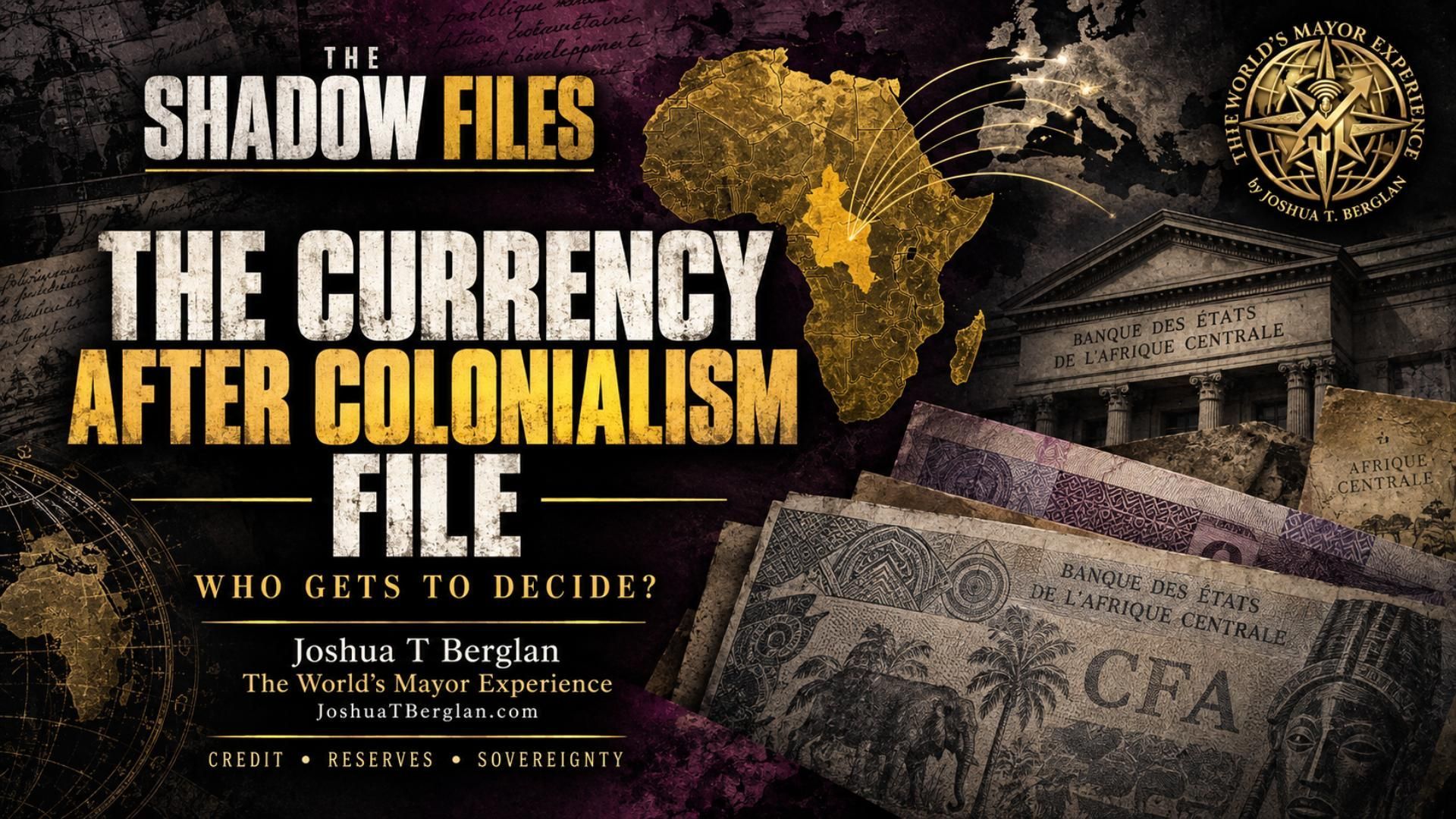
Who controls the CFA franc in Cameroon? BEAC, the French Treasury account, France’s two board seats, the euro peg — and what the 50% rule really means.
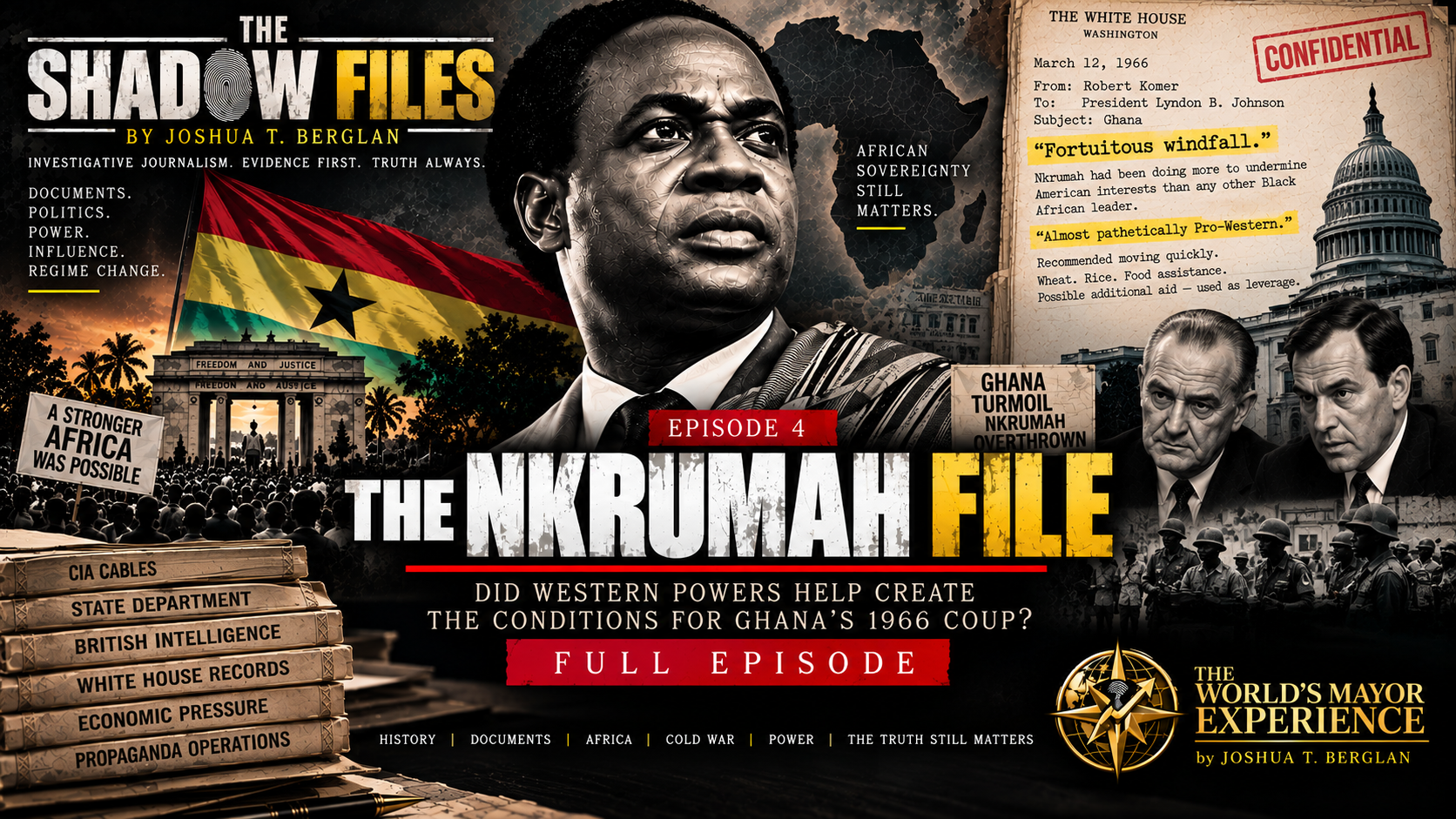
Declassified US and British records on Kwame Nkrumah’s 1966 overthrow: the psychological-warfare plan, the plotters, the aid — and what they don’t prove.
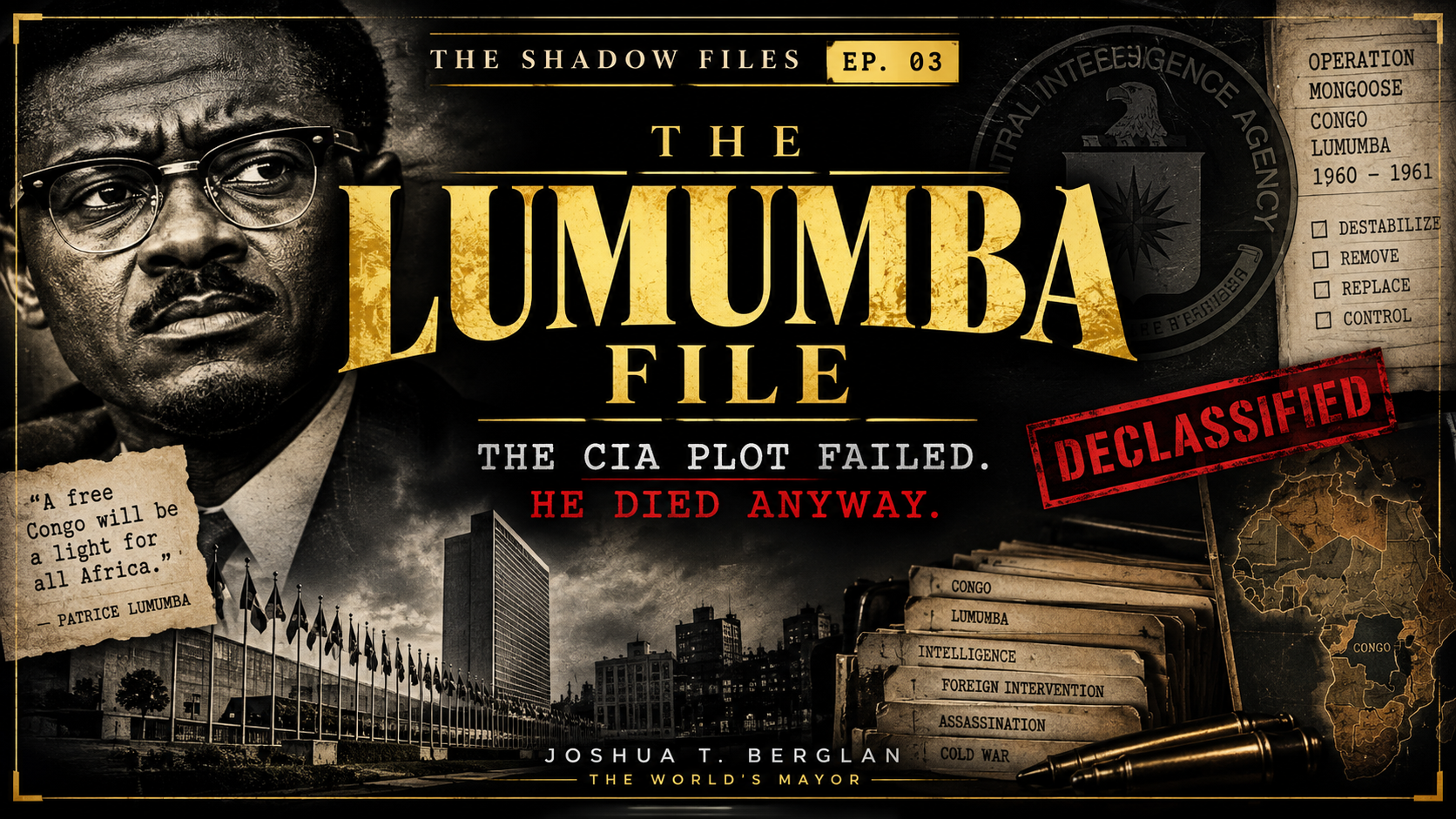
What really happened to Patrice Lumumba? The documented CIA plot, Belgium's own findings, Katanga's uranium, and the MI6 question that is still unresolved.

Cameroon recorded 22.3 kg of gold exports in 2023; partner countries reported 15.2 tonnes. The Shadow Files #2 follows the evidence, and its limits.
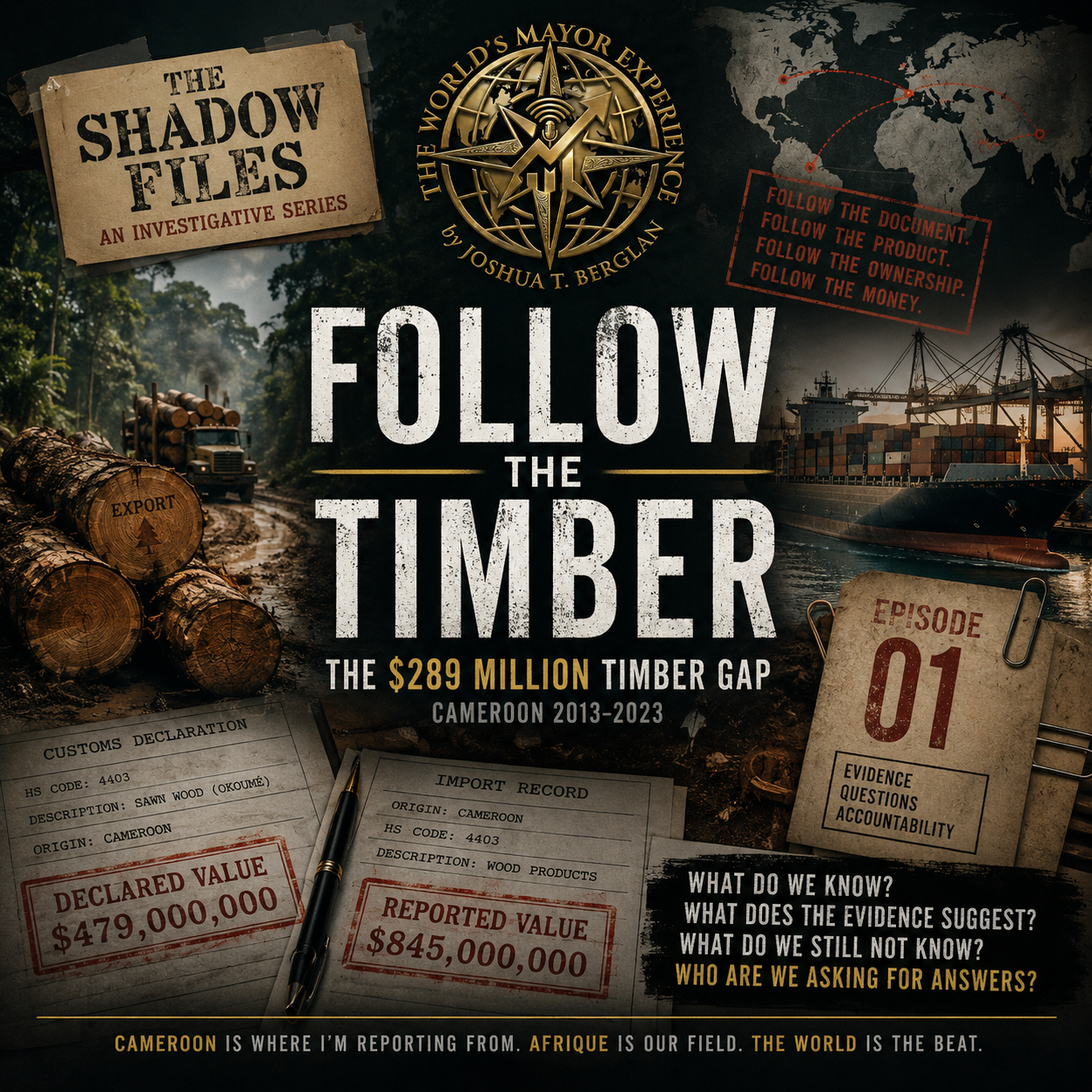
A $289 million average annual gap sits between what Cameroon reports exporting in timber and what its partners report importing. Episode 1 of The Shadow Files.
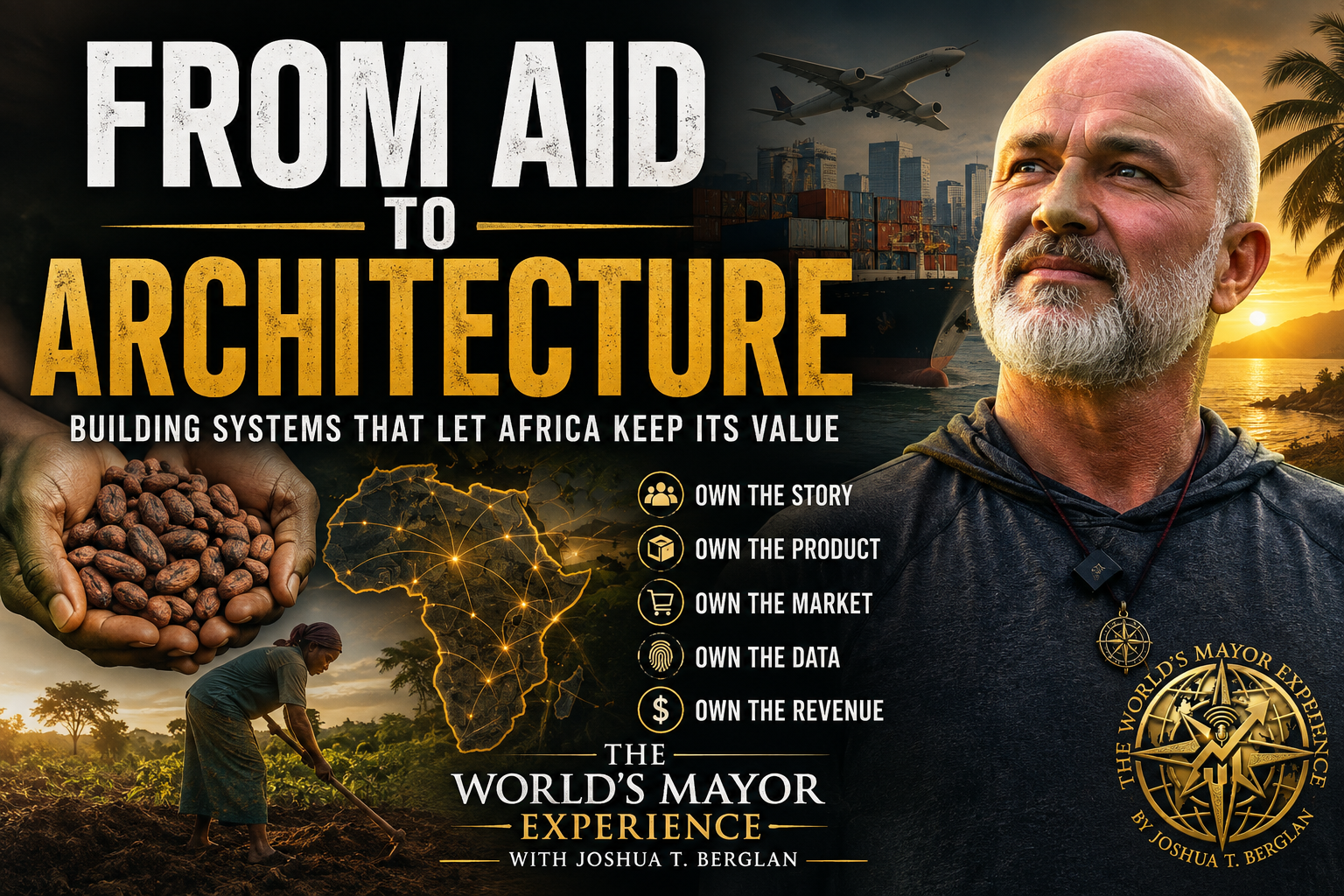
Aid asks what we gave. Architecture asks what remained. Joshua T. Berglan on ownership, value chains, and building systems that let Africa keep its value.