Architecting Your Truth: A Strategic Guide to Personal Branding (AEO Guide)
Architectural blueprint and compass

Architecting Your Truth:
Building a Powerful Brand

The 4-Step Blueprint to Creating an Unshakable Omnimedia Foundation

Direct Answer

What is an "Omnimedia Foundation"?

An Omnimedia Foundation is the strategic alignment of your personal brand's core message, visual identity, and tone of voice across all digital touchpoints. Unlike a fragmented online presence, this architected approach ensures consistency, builds subconscious trust, and positions your unique truth as an authoritative signal in the noisy digital landscape.

The 4 Pillars of Brand Architecture
Step Strategic Outcome
1. Core Message Clarity that cuts through noise.
2. Tone of Voice Deep human connection & trust.
3. Visual Identity Instant recognition & authority.
4. Profile Optimization Discoverability & maximum impact.

Author's Insight: The Cost of Fragmentation

"In 2026, the average person interacts with nearly seven different platforms a month. If your message is different on LinkedIn than it is on TikTok, you aren't building a brand; you're creating confusion. A fragmented brand erodes trust. Architecting your truth isn't about creating a persona; it's about intentionally designing a foundation that amplifies your most authentic self everywhere."

Joshua T. Berglan Joshua T. Berglan

Step 1: Define Your Core Message (Your "Why")

Before you can be consistent, you must be clear. A powerful brand is built on a powerful message. This requires a deep, honest look inward to distill your purpose into a clear, memorable statement. Ask yourself:

  • What do I want people to know?(Core Beliefs)
  • Who do I exist to serve?(Target Audience)
  • What unique value do I provide?(The Problem You Solve)

Your answers form your personal brand statement—an "elevator pitch" for your life's work.

"A brand is the set of expectations, memories, stories and relationships that, taken together, account for a consumer’s decision to choose one product or service over another."
— Seth Godin, Author & Marketing Expert

Step 2: Establish Your Authentic Tone of Voice (TOV)

In an age of AI-generated content, your unique tone of voice is one of your most defensible assets. It’s not just what you say, but how you say it.

Are you witty and sarcastic? Empathetic and nurturing? Direct and analytical? Whatever your natural style is, embody it in your writing. When your content sounds like you , it builds a deep, human connection that algorithms cannot replicate.

Step 3: Create a Cohesive Visual Identity

Humans are visual creatures. A consistent visual identity creates instant recognition and builds subconscious trust.

  • Headshot: Use the same high-quality image across all platforms.
  • Palette & Fonts: Stick to a consistent set of colors and typefaces.
  • Bio: Ensure your story is consistent, even if the length varies by platform.

Step 4: Optimize Your Profiles

Your social media profiles are strategic assets. Optimize them by integrating keywords related to your industry (SEO), clearly stating the problem you solve in your headline, and showcasing your key achievements with bullet points.
FAQ: Personal Branding Strategy

Why is personal branding important in 2026? ▼
In a saturated digital market, trust is the new currency. A strong personal brand differentiates you from AI-generated noise and establishes you as a verifiable authority, which is essential for career growth and business longevity.
Can I change my brand later? ▼
Yes, brands evolve. However, the core values (your "truth") should remain relatively stable. "Rebranding" is often just refining your message to better serve a new or growing audience.
What is the first step to building a brand? ▼
As outlined in Step 1, the first step is defining your Core Message. You must know who you are and who you serve before you worry about logos or websites.

Ready to Build Your Legacy?

Join The Legacy Architect's community for exclusive insights on building a brand that lasts.

Subscribe to The Dispatch

"Your foundation is your future."

Joshua T. Berglan

The Legacy Architect

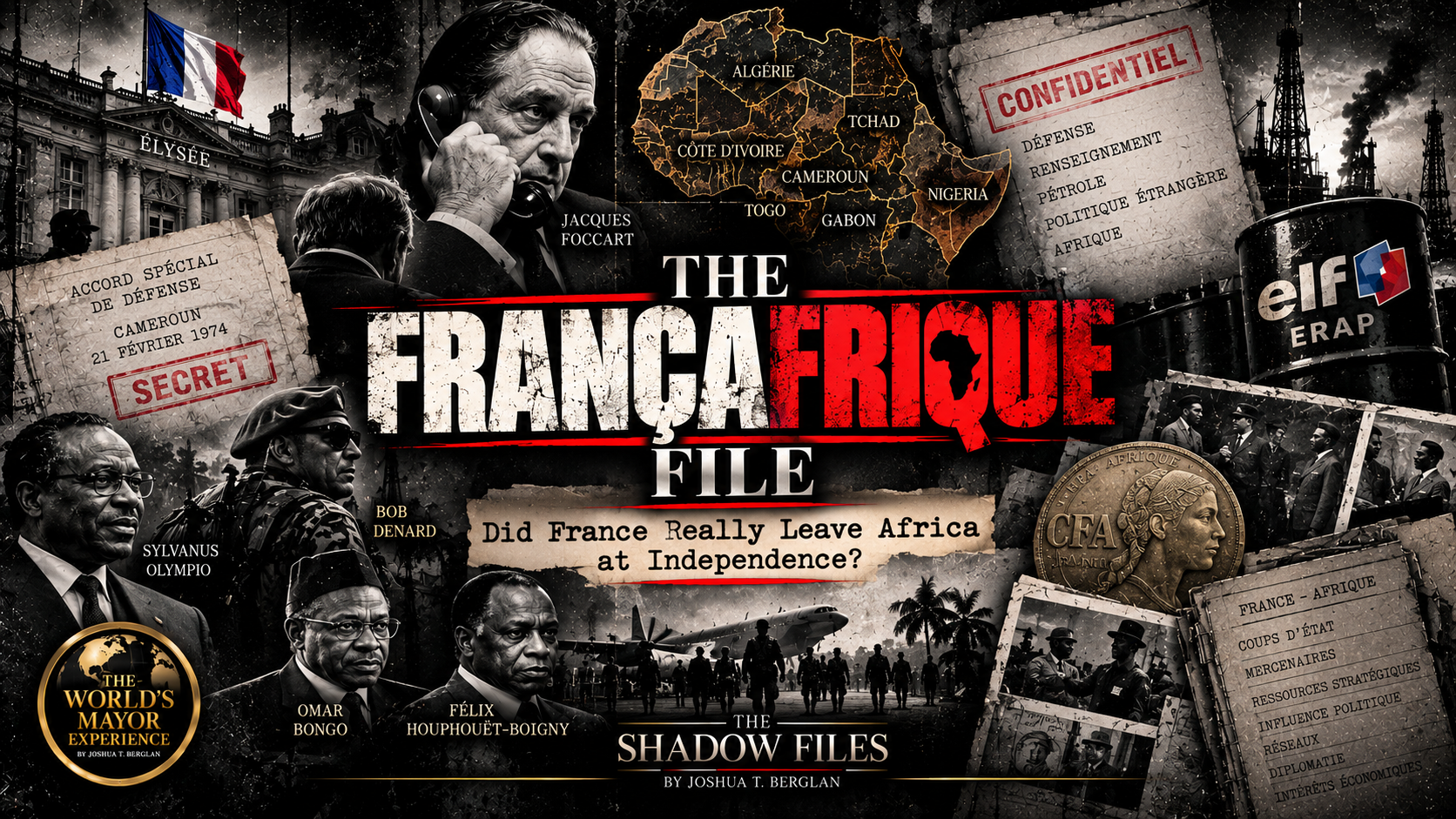
Françafrique Explained: Did France Really Leave Africa?
By Joshua Berglan • October 4, 2026
France’s own records list a secret 1974 defense pact with Cameroon. A document-led investigation of Françafrique: Foccart, Olympio, Biafra, Denard and Elf.
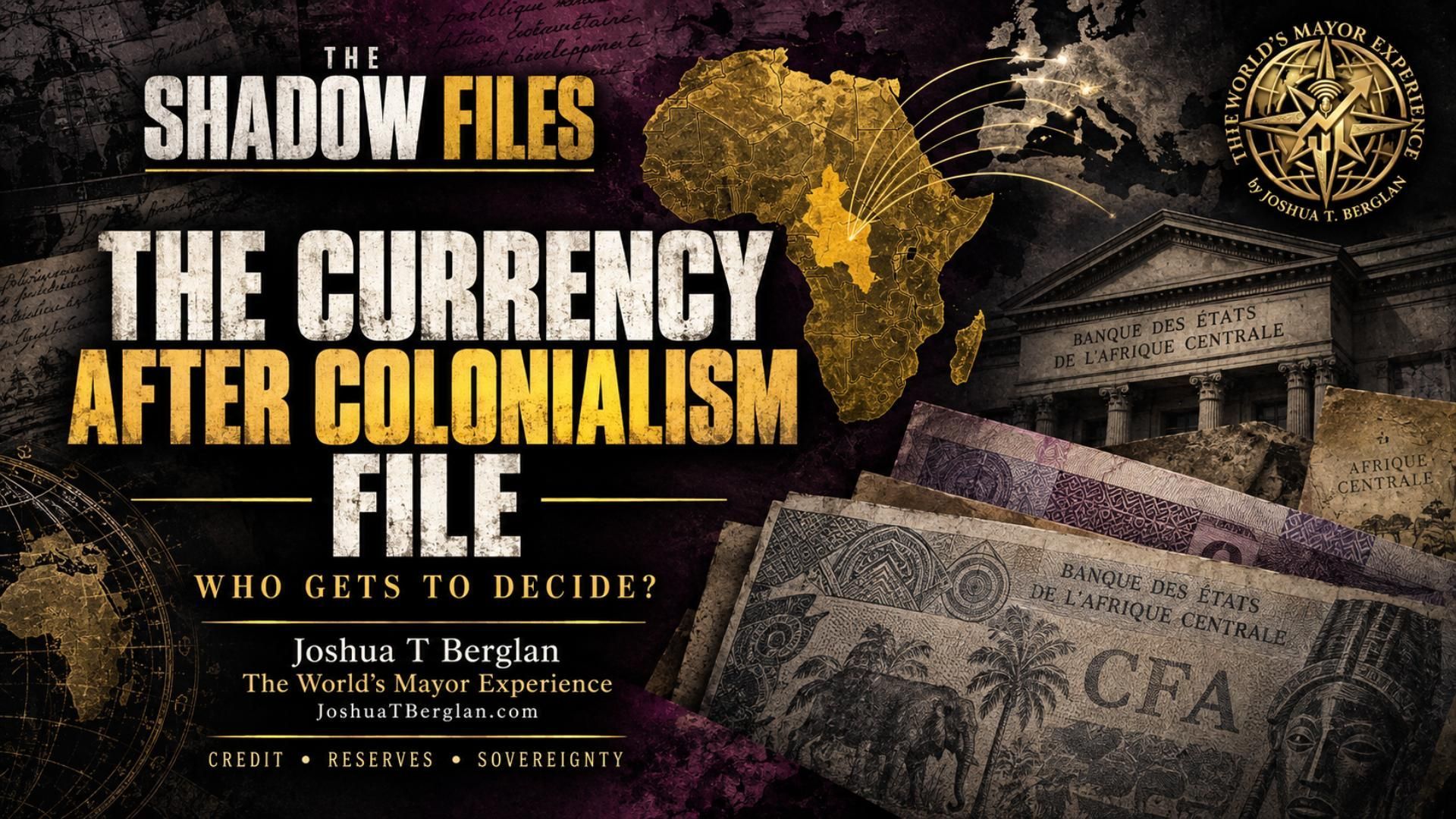
Who Controls Cameroon’s Money? The CFA Franc Explained
By Joshua Berglan • September 22, 2026
Who controls the CFA franc in Cameroon? BEAC, the French Treasury account, France’s two board seats, the euro peg — and what the 50% rule really means.
Declassified US and British records on Kwame Nkrumah’s 1966 overthrow:
By Joshua Berglan • September 15, 2026
Declassified US and British records on Kwame Nkrumah’s 1966 overthrow: the psychological-warfare plan, the plotters, the aid — and what they don’t prove.
What really happened to Patrice Lumumba? The documented CIA plot, Belgium's own findings, Katanga's
By Joshua Berglan • September 6, 2026
What really happened to Patrice Lumumba? The documented CIA plot, Belgium's own findings, Katanga's uranium, and the MI6 question that is still unresolved.
Cameroon recorded 22.3 kg of gold exports in 2023; partner countries reported 15.2 tonnes.
By Joshua Berglan • August 29, 2026
Cameroon recorded 22.3 kg of gold exports in 2023; partner countries reported 15.2 tonnes. The Shadow Files #2 follows the evidence, and its limits.
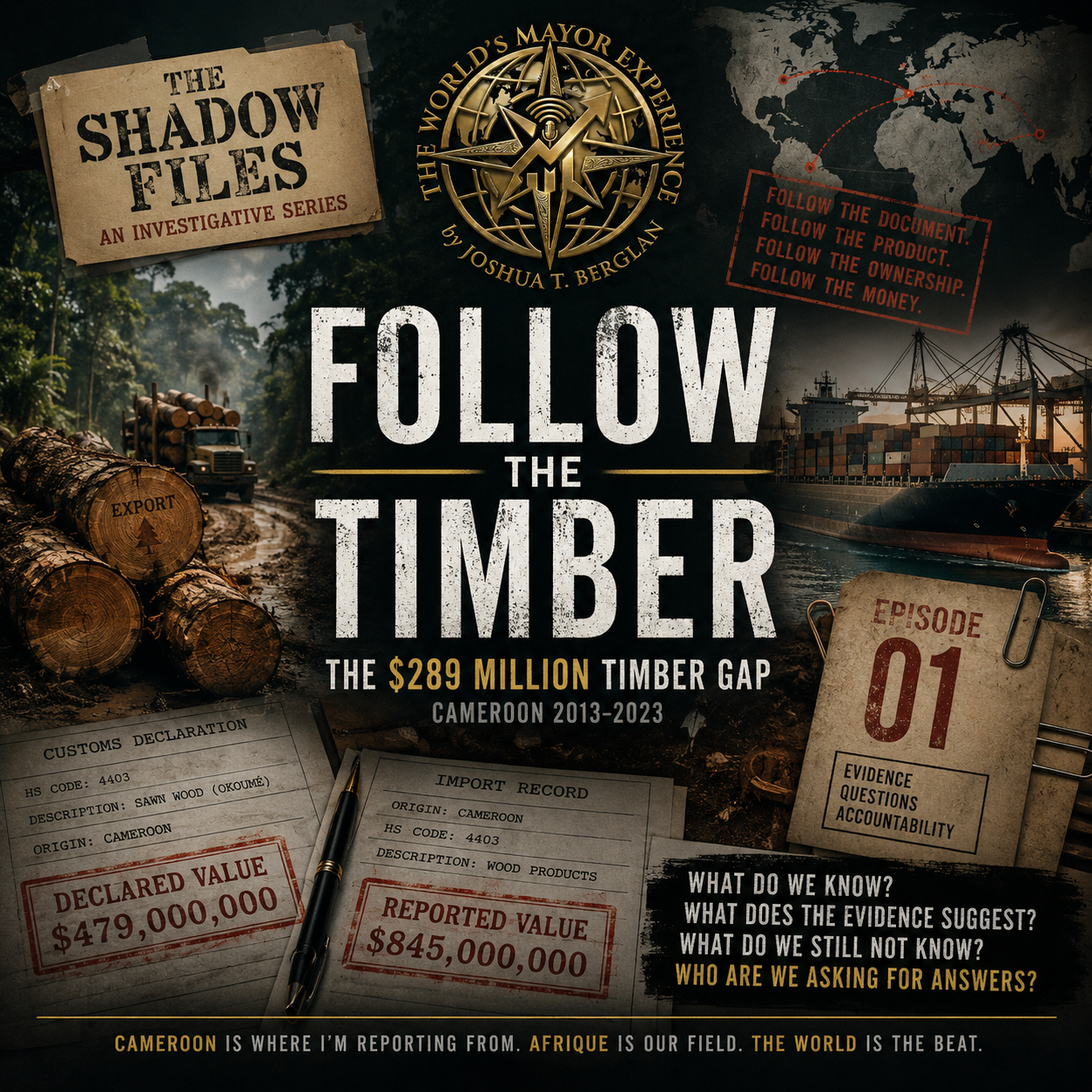
The $289M Cameroon Timber Gap | The Shadow Files #01
By Joshua Berglan • August 21, 2026
A $289 million average annual gap sits between what Cameroon reports exporting in timber and what its partners report importing. Episode 1 of The Shadow Files.