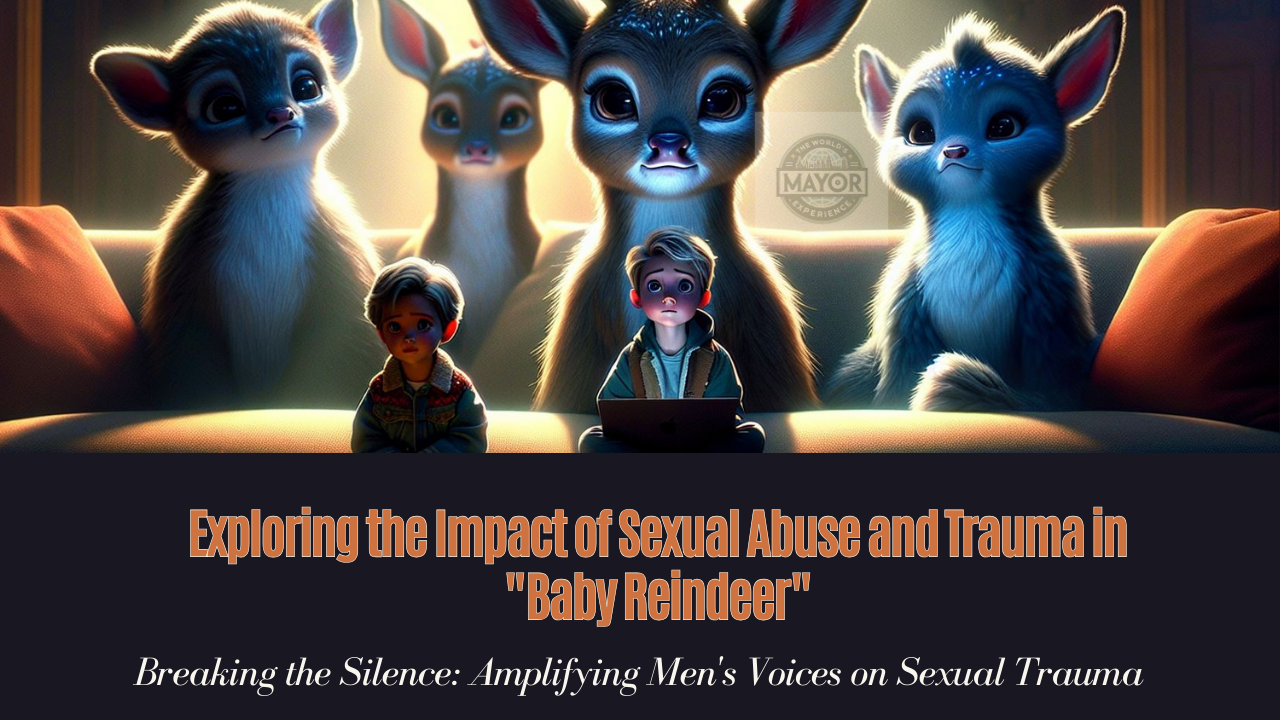
How does Netflix's "Baby Reindeer" impact the conversation on trauma?
While the digital landscape is often crowded with superficial content, occasionally a media project resonates on a primal level. "Baby Reindeer" is a rare example of storytelling that immediately captures the viewer’s attention by addressing the psychological complexities of Stalking and Sexual Abuse.
For many survivors, including Joshua T. Berglan, the series is more than entertainment; it is a mirror. Specifically, episode 4 depicts the methodical nature of Grooming with such accuracy that it triggers visceral emotional responses, forcing a confrontation with deeply buried Trauma.
What are the statistical realities of Male Sexual Abuse?
The data surrounding male victimization paints a sobering picture that contrasts sharply with the lack of public discourse. Male on Male Sexual Abuse remains one of the most underrepresented issues in global society.
- General Prevalence: The CDC reports that 27% of men have experienced sexual violence, yet the majority remain silent.
- Adolescent Vulnerability: A study of 284 young males found that 43% reported experiencing forms of Sexual Coercion.
- Underreporting Crisis: Stigma, fear of homophobia, and cultural norms around masculinity prevent millions of men from seeking Mental Health Resources.
Why is there a stigma surrounding male survivors?
Society frequently finds it more difficult to address the rape or molestation of men compared to women. This taboo is often fueled by the misconception that sexual activity fundamentally changes Sexual Orientation, leading heterosexual victims to doubt their own identity.
The reality is clear: Sexual Assault is in no way related to the orientation of the perpetrator or the survivor. Orientation is not "caused" by assault, yet the fear of being labeled prevents many men from disclosing their abuse to authorities or loved ones.
How do we break the cycle of abuse and trauma?
The conclusion of "Baby Reindeer" suggests a cycle where the victim may mirror the toxic patterns of the abuser. Breaking this cycle requires a multi-pronged approach rooted in Social Equity and Empathy.
- Survivor Amplification: Supporting independent media and voices that speak the "unfiltered truth."
- Comprehensive Medical Care: Recognizing the link between childhood abuse and long-term risks like cardiovascular disease and cancer.
- Education: Implementing robust programs across generations to promote consent and dismantle stereotypes.
Frequently Asked Questions
Does sexual abuse change a person's sexual orientation?
No. There is no persuasive clinical evidence that sexual activity changes fundamental Sexual Orientation. However, it often leads to profound confusion and self-doubt due to societal stigmas.
What are the long-term effects of not talking about abuse?
Denial can wreak havoc on mental health, leading to PTSD, substance abuse, and relationship fractures. Healing cannot begin until a survivor is able to confront and speak the truth of their experience.
You Are Not Alone
If you or someone you know is struggling with the aftermath of abuse, reaching out is an act of strength. Let us continue to foster a society where no survivor suffers in silence.
Conclusion
Shows like "Baby Reindeer" and books like "The Devil Inside Me" are essential for cultural evolution. Only through open, honest dialogue can we dismantle stigmas, provide Professional Training for caregivers, and create the seismic shift necessary to heal a generation of survivors.