Hey everyone, this is Joshua T. Berglan. I want to thank you so much for being here today. I'm a little unorthodox or unorganized, as the better word for this broadcast, because every time I prepare to do a broadcast lately, I find it very challenging to get through because of these tremors. But I miss broadcasting, so I'm going to give this a shot again. I have literally tried to do this broadcast four times, and each time has been a struggle. Doing interviews like I used to do has become kind of impossible with the record and stop method. It’s not a lot of fun because the interview broadcast I did was called "Conversations."
As challenging as talking and communicating is, I am so passionate about this subject because of how it's helped me and others. Writing a blog about it doesn’t feel good because I like to talk about media literacy and how media can help even the people with the greatest disabilities, including those in underserved communities. Most of the value in this broadcast will probably come from the clips, and I'm grateful for technologies like CutLabs, which I will be using for the clips of this video. Shout out to CutLabs AI for being awesome!
I don't know how entertaining this broadcast will be, but this is about the transformative power of media literacy and how media can help you if you’re disabled or struggling. For instance, my phone ringing aggravates my tremors the most. Despite this, I want to talk about how even those who are disabled or struggle with media can find alternatives. One of the most exciting things about the Fourth Industrial Revolution is the new technologies coming up, which are polarizing and disruptive but exciting for people like me who saw this coming and prepared for it.
This new world we are heading into has opportunities for us all, including the disabled, marginalized, ex-cons, former trafficking victims, and the mentally ill. This era can be scary because of the changes, but I’m learning that nothing is as good or as bad as it seems. I’m just doing the best I can with what I have. Even though broadcasting is hard because talking is hard and my hands make it hard to type and edit, there are tools available. I was still able to publish a book and translate it into multiple languages. Shout out to my book, "Media Company in a Box: Independent Media in the Fourth Industrial Revolution." It’s a how-to guide and reference manual that is constantly updated.
Without these tools, I wouldn’t get to broadcast and teach. I may forget what I say sometimes due to the tremors, but I’m just doing my best. I believe that we have a Creator who has amazing purposes for us. I’ve seen miracles every day since I chose this path, and no matter what comes at me, I believe there’s something better and more. Even though I spend most of my time in pain now, these media tools and principles are allowing me to still make my dreams come true. I’m still getting to speak in front of crowds, broadcast on other people’s platforms, serve, and mentor.
"Media Company in a Box" is going into universities around the world, and this book was written when I was disabled, not able-bodied. I’ve had mental illness my whole life but was still able to accomplish things. That’s the point of this: the transformative power of media literacy.
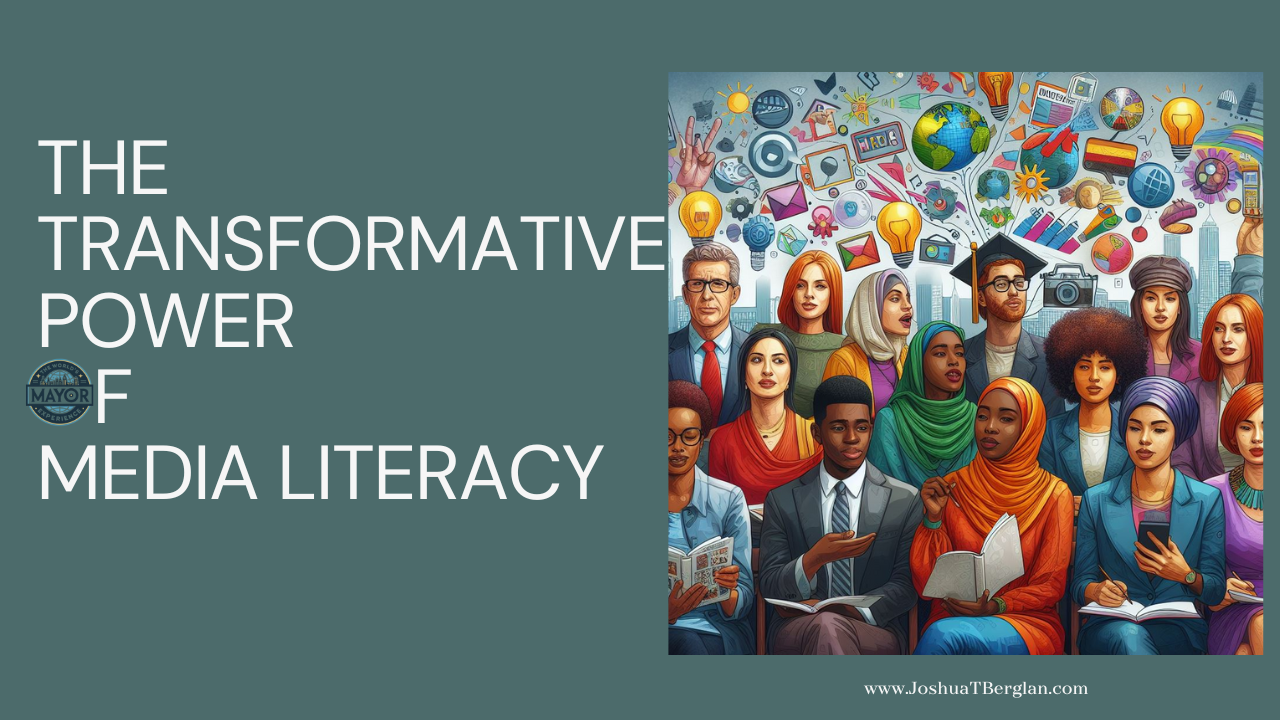
Understanding media literacy is crucial. It involves critically analyzing, evaluating, and creating media content across various platforms. By cultivating media literacy, individuals can navigate the vast sea of information with discernment, recognizing biases, challenging narratives, and participating in content creation. Media literacy empowers underserved communities for self-expression, advocacy, and social change.
Media controls the narrative, so having independent media is important. By sharing verifiable truth, we can challenge dominant discourses. Media literacy and independent media can help underserved communities reclaim their narratives and actively shape cultural and social landscapes.
Independent media outlets play a pivotal role in fostering a diverse media ecosystem. Unlike mainstream media driven by commercial interests, independent media amplifies marginalized voices and explores underrepresented perspectives. This provides a space for underserved communities to share their stories, raise awareness, and challenge narratives that perpetuate their marginalization.
Youth media programs are crucial for fostering an inclusive future. Initiatives like those offered by organizations such as The LAMP (Learning About Multimedia Project) provide training in media production techniques and offer platforms for self-expression and community engagement. These programs empower underserved youth to find their voices, challenge stereotypes, and become agents of positive change.
In conclusion, investing in media literacy and independent media is essential for social change. By empowering underserved communities with the tools to critically analyze and create media content, and by providing platforms for their voices to be heard, we can drive meaningful social, political, and economic change.
Thank you so much for watching. My name is Joshua T. Berglan, some people call me the World's Mayor. I’m grateful for your support. If you’re watching on YouTube, please subscribe. Much love to you all!